Emerging Trends in Digital Marketing: What’s Shaping the Future?
Emerging Trends in Digital Marketing are the new ideas, tools, and strategies that businesses employ to maintain their online presence, relevance, and competitiveness.
The internet is constantly evolving.
- What digital marketing trends mean?
- The top emerging trends in digital marketing for 2026
- How these trends help businesses grow?
- Tools, examples, and future predictions
- What you should focus on right now.
Let’s examine it in detail.
What Is Digital Marketing & Why Do Trends Matter
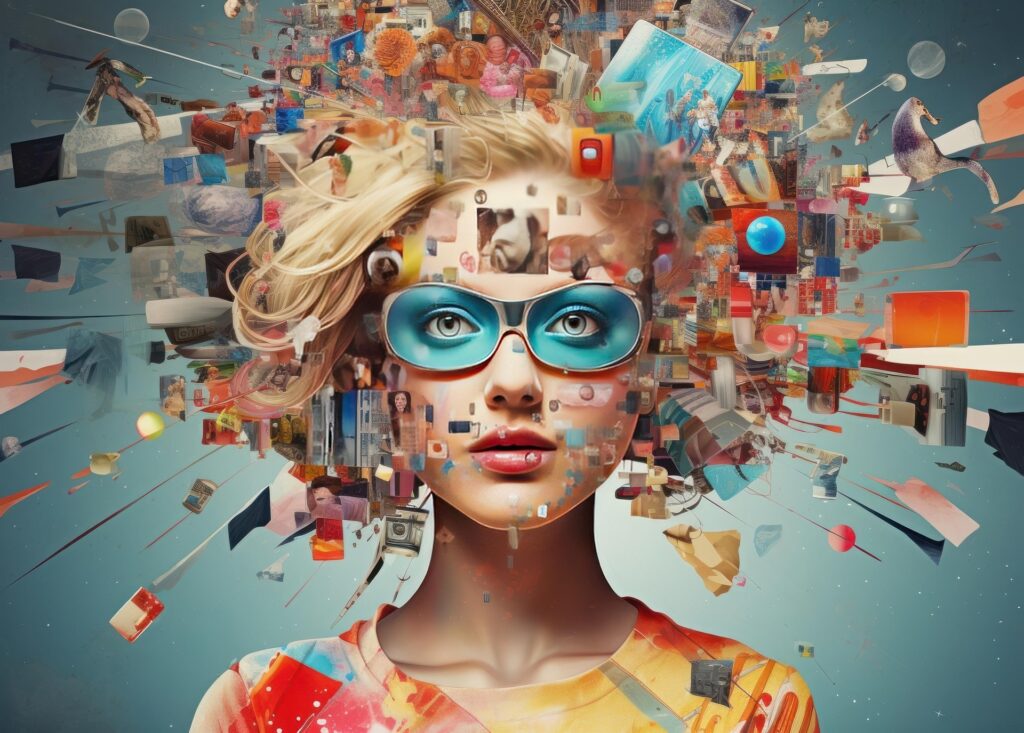
Digital marketing is the use of the internet to promote goods and services.
This comprises:
- Google search results
- Social media platforms
- Websites and blogs
- Mobile apps and emails
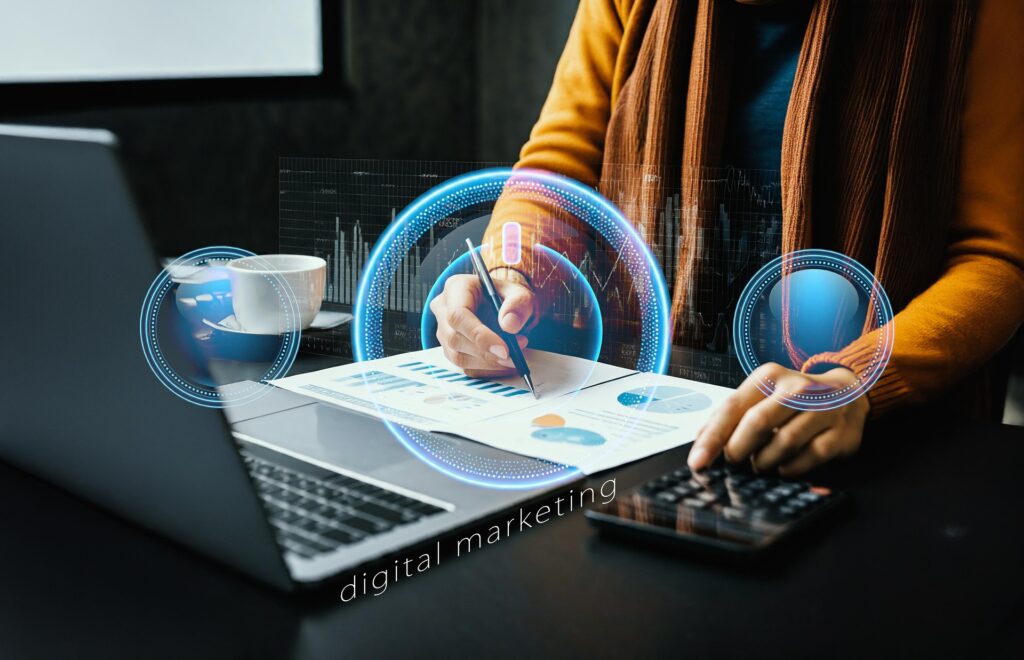
Why Keeping Up with Trends is Important?
Because:
- People’s online habits are constantly changing.
- Technology continually evolving.
- Google updates its algorithms.
- Consumers look for enhanced, quicker experiences.
Benefits of Following Latest Trends
- Make oneself prominent online.
- Win the trust of your clients.
- Boost leads and sales.
- Keep one step ahead of competitors.
If you don’t pay attention to trends, you’ll lag behind.
Top Emerging Trends in Digital Marketing (2026 Edition)
Let’s take a closer look at the digital marketing trends that are setting the direction for the future.
AI in Digital Marketing: Smarter, Faster, Better
Because:
- People’s online habits are constantly changing.
- Technology continually evolving.
- Google updates its algorithms.
- Consumers look for enhanced, quicker experiences.

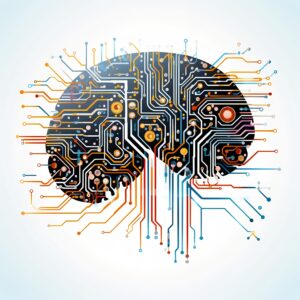
AI assists in writing ads, blogs, and captions; analyzing customer behavior; automating emails and campaigns; improving ad targeting.
AI helps marketers work smarter by reducing manual work and improving accuracy.
Generative AI & AI Agents: New Marketing Assistants
Generative AI takes care of many everyday marketing tasks, such as:
- Writing blog posts and website content
- Creating captions and posts for social media
- Designing images and short videos
- Suggesting SEO keywords and content ideas
AI agents go one step further:
- Run marketing campaigns automatically
- Track performance and results in real time
- Suggest improvements based on data and trends
Personalization & Predictive Marketing
Personalization helps brands connect with users in a more natural way by:
- Showing content based on what users actually care about
- Sending emails that feel thoughtful and relevant, not generic
- Recommending products or services users are genuinely interested in
Predictive marketing uses data to understand what customers might need next. This helps brands:
- Anticipate customer needs before they’re even expressed
- Send the right offers at the right moment
- Create smoother, more timely customer experiences
Why This Trend Makes a Real Difference
When personalization and predictive marketing work together, brands see:
- Higher engagement because messages feel relevant
- Better customer satisfaction thanks to personalized experiences
- Improved conversion rates, as users are more likely to take action
Voice Search & Conversational Search
These days, people aren’t just typing their searches, they are searching by speaking. With voice assistants becoming part of everyday life, search queries now sound more natural and conversational.
How People Use Voice Search
Instead of short keywords, people now ask full questions like:
- Health: “What is the best morning routine for weight loss?”
- Education: “Which online course is best for digital marketing beginners?”
- Shopping: “Affordable smartphones under 20,000 with good camera”
How to Optimize Your Content for Voice Search
To show up in voice search results, your content needs to sound human and helpful. Here’s how you can do that:
- Use simple, natural language that feels like real conversation
- Answer questions clearly and directly
- Add FAQ sections to your pages
- Focus on long-tail and question-based keywords
Why Voice Search Is Changing SEO in a Big Way
Voice search is reshaping SEO because it focuses more on intent and context, not just keywords. Brands that adapt by creating clear, conversational, and helpful content are more likely to appear in voice search results and connect better with users.
Omnichannel Marketing
Omnichannel marketing is all about connecting all your platforms so your brand feels consistent, no matter where your customer interacts with you. Whether someone visits your website, scrolls through social media, or opens an email, the experience should feel seamless.
Here’s how different channels work together:
- Website: Helpful blogs, clear landing pages, and smooth navigation
- Social Media: Engaging content on platforms like Instagram and LinkedIn
- Email: Newsletters, updates, and personalized messages
- Offline: Physical stores, events, or face-to-face interactions
The Goal?
The goal is to give customers a smooth, familiar experience everywhere they connect with your brand. No mixed messages, no confusion—just one clear brand voice across all channels.
That’s why omnichannel marketing is one of the most practical and impactful digital marketing trends businesses are using today.
Short Video Marketing
Short videos are everywhere and they’re hard to ignore. People love quick, scroll-friendly videos that deliver value or entertainment in just a few seconds. That’s why short-form video content is completely dominating the internet right now.
Where You’re Seeing Short Videos the Most
Some of the most popular short-video formats include:
- Instagram Reels
- YouTube Shorts
- TikTok videos
These platforms are designed for fast consumption, making them perfect for today’s busy, mobile-first audience.
Why Video Content Works So Well
Video grabs attention faster than text and keeps people hooked longer. Here’s why it performs so well:
- It’s easy to watch, even on the go
- It’s highly engaging and scroll-stopping
- It’s perfect for storytelling in a short time
Social Commerce & Shoppable Content: Buy While You Scroll
Social media is quickly turning into a place where people discover, explore, and buy products without ever leaving the app.
Here are a few common ways people shop directly through social platforms:
- Buying products directly on Instagram
- Clicking product links inside Reels or short videos
- Making purchases influenced by creators and influencers they trust
Why Social Commerce Works So Well
Social commerce makes shopping feel effortless and instant because:
- People make faster buying decisions
- There are fewer steps between discovery and purchase
- Impulse buying becomes easier and more natural
That’s why social commerce is one of the fastest-growing digital marketing trends, changing how brands sell and how customers shop online.
Influencer Marketing: Real People, Real Trust
Today, influencer marketing is less about celebrity endorsements and more about real people sharing real experiences.
The focus has shifted towards:
- Micro-influencers with smaller but highly engaged audiences
- Niche creators who truly understand their community
- Honest, relatable content that feels authentic, not scripted
Why This Works
People trust recommendations from other people far more than traditional ads. When content feels genuine, it builds credibility and that’s exactly why influencer marketing continues to grow as a powerful digital marketing trend.
Data Privacy & First-Party Data
People are becoming more careful about how their data is used and privacy laws are getting stricter too. As a result, brands are rethinking how they collect and use customer information.
Here’s what’s shifting in the digital world:
- Third-party cookies are slowly disappearing
- Getting clear user consent is now essential, not optional
What First-Party Data Looks Like
First-party data is information customers choose to share directly with you, such as:
- Email subscribers who sign up willingly
- Website registrations and form sign-ups
- Customer feedback, reviews, and responses
Why This Trend Matters
When brands respect privacy and use first-party data responsibly, it builds trust, loyalty, and long-term relationships. That’s why data privacy isn’t just about compliance, it’s becoming one of the most important digital marketing trends today.
AR/VR & Immersive Experiences
AR and VR are taking marketing beyond screens and turning it into real experiences. Instead of just seeing a product, people can now interact with it in fun and immersive ways.
How Brands Are Using AR & VR Today
Here are some popular ways brands are using immersive technology:
- Trying products virtually before buying
- Exploring 3D shopping experiences from anywhere
- Experiencing interactive brand stories that feel more real and engaging
Why Immersive Marketing Works
These experiences don’t just look cool—they stay in people’s minds. When marketing feels exciting and hands-on, it becomes more memorable, making it easier for customers to connect with brands.
Data Analytics & Predictive Insights: Let Data Lead the Way
Modern marketing isn’t about guesswork anymore because it’s powered by data. Marketers now rely on numbers and insights to understand what’s working and what’s not.
What Marketers Track Every Day
To make smarter decisions, marketers keep an eye on things like:
- Website visits and user behavior
- Click-through rates on ads and emails
- Conversion rates and sales performance
How Predictive Analytics Helps Brands
Predictive analytics takes data a step further by helping brands look ahead. It helps businesses:
- Forecast sales and customer demand
- Improve campaigns based on past performance
- Reduce wasted ad spend by focusing on what works
Why Data-Driven Marketing Matters
When data guides decisions, marketing becomes clearer, smarter, and more effective. Simply put, data removes the guesswork and replaces it with confidence.
Marketing Automation & Martech
Marketing doesn’t have to be manual and exhausting anymore. With the right martech tools, brands can automate repetitive tasks and focus more on strategy and creativity.
What Marketing Automation Can Handle for You
Automation takes care of everyday marketing work like:
- Running email campaigns automatically
- Scoring and tracking leads
- Updating CRM data without manual effort
- Optimizing ads based on performance
Why This Trend Matters
By automating routine tasks, businesses gain better efficiency and consistency. Simply put, marketing automation helps teams work smarter.
Ethical & Sustainable Digital Marketing
Today’s customers don’t just look at what a brand sells, they care about what the brand stands for. Values, transparency, and responsibility play a big role in building trust.
What Ethical Marketing Looks Like in Practice
Ethical digital marketing focuses on doing things the right way, such as:
- Sharing honest and truthful messages
- Creating inclusive content that speaks to everyone
- Being transparent about how customer data is used
- Adopting sustainable and responsible marketing practices
Why Ethical Marketing Builds Loyalty
When brands act responsibly and stay true to their values, customers notice. This trust turns into long-term loyalty, making ethical and sustainable marketing more than just a trend.
How to Implement Emerging Digital Marketing Trends
Implementing emerging digital marketing trends doesn’t mean chasing every new tool or platform. The smartest way to adopt trends is by using them strategically, with clear goals and measurable impact.
The first step is to understand your audience deeply. Every trend, whether it’s AI marketing, short-form videos, voice search, or personalization, works best when it aligns with how your audience searches, scrolls, and buys. Before jumping in, ask: Will this trend actually help my customers?
Next, prioritize trends that support your business goals. If lead generation is your focus, marketing automation and data analytics should come first. If brand visibility matters more, short-form video content and social commerce may be better starting points. At Digineutech, we recommend choosing trends that deliver real ROI, not just visibility.
Then, start small and test consistently. You don’t need a full-scale rollout. Launch pilot campaigns, analyze performance, and optimize based on data. This reduces risk and helps you scale only what works.
Another key step is leveraging the right digital marketing tools. AI-powered tools, automation platforms, and analytics dashboards help streamline efforts, improve efficiency, and reduce wasted spend, allowing your team to focus on creativity and strategy.
Finally, stay flexible and keep learning. Digital marketing trends evolve quickly, and adaptability is your biggest advantage. Brands that continuously learn, test, and refine their approach stay ahead.
At Digineutech, we help businesses implement emerging digital marketing trends with clarity, confidence, and consistency, so growth feels sustainable, not overwhelming.
How Can You Actually Use These Emerging Trends?
With so many emerging digital marketing trends out there, it’s easy to feel like you need to try everything at once. The truth is you don’t. What matters most is choosing the trends that actually make sense for your business.
A Simple, No-Stress Action Plan
Here’s an easy way to get started without feeling overwhelmed:
- Get to know your audience better
Understand where they spend time, what they search for, and how they like to engage. - Choose trends that support your goals
Focus on trends that help you grow, whether that’s more traffic, leads, or sales. - Use AI and automation wisely
Let smart tools handle repetitive work, but keep the human touch in your messaging. - Test, track, and tweak
Try small experiments, measure results, and improve what’s working. - Keep learning and stay flexible
Digital marketing evolves fast, and staying curious helps you stay ahead.
You don’t need to follow every trend you hear about. Just focus on the right ones, use them thoughtfully, and grow at your own pace. That’s how digital marketing stays effective and enjoyable.
Key Tools for Digital Marketers in 2026
Digital marketing in 2026 isn’t about working harder; it’s about working smarter. The right tools help you save time, stay organized, and keep up with emerging digital marketing trends without burning out.
Tools That Make a Real Difference
Here are some essential tools every digital marketer should have in their toolkit:
- AI content tools to help brainstorm ideas, write faster, and stay consistent
- SEO analytics platforms to track rankings, keywords, and website performance
- Social media schedulers to plan posts in advance and stay active across platforms
- Marketing automation software to manage emails, leads, and campaigns effortlessly
- Data dashboards to view insights clearly and make data-driven decisions
Why These Tools Matter
These tools don’t just make life easier; they support the latest digital marketing trends like automation, personalization, AI-driven insights, and omnichannel marketing. When used correctly, they help you stay competitive, efficient, and future-ready.
The key is not using every tool available, but choosing the ones that align with your goals and grow with your business.
The Future of Digital Marketing Beyond 2026
The future of digital marketing is moving fast and it’s an exciting time to be part of it. As technology continues to evolve, marketing is becoming smarter, more human, and more focused on real connections.
Here’s What’s Coming Next
Over the next few years, we’ll see some big shifts, including:
- Smarter AI agents that don’t just assist, but actively plan and optimize campaigns
- More voice-based searches as people continue talking to devices instead of typing
- Zero-click search results where users get answers instantly, without opening websites
- A stronger focus on privacy with ethical data use and first-party data strategies
- Human + AI collaboration, where technology supports creativity instead of replacing it
The key takeaway?
Technology will keep advancing, but people will always stay at the center of digital marketing. Brands that adapt early, stay flexible, and balance innovation with authenticity will unlock huge opportunities.
The future isn’t something to fear, it’s something to prepare for. And for businesses ready to evolve, the possibilities are endless.
Final Takeaways on Emerging Digital Marketing Trends
Emerging digital marketing trends aren’t just buzzwords you hear online, they shape how brands connect, grow, and succeed in the digital world. These trends reflect real changes in technology, customer behavior, and how people discover and trust businesses today.
Why Adapting Early Makes a Difference
Businesses that understand and adopt new trends early often:
- Stay visible in an increasingly crowded online space
- Build stronger, more meaningful relationships with their audience
- Grow faster by making smarter, data-driven decisions
The Bigger Picture
Whether you’re a student learning digital marketing, a marketer sharpening your skills, or a business owner looking to scale, staying updated gives you a real edge. You don’t need to follow every trend, just the ones that align with your goals and audience.
At the end of the day, digital marketing is about staying relevant, being helpful, and growing with intention. And those who embrace change thoughtfully are the ones who lead.